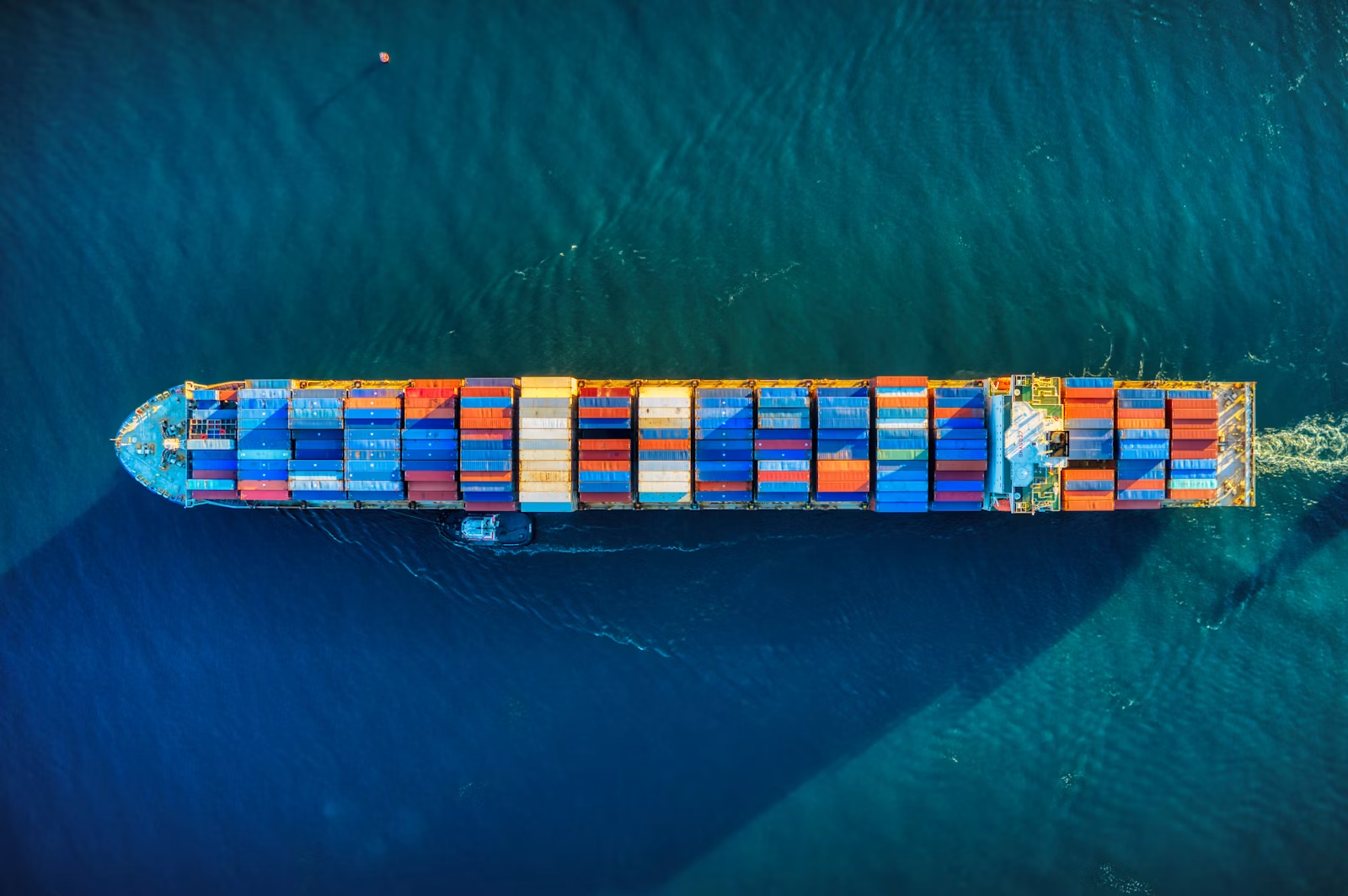
The global manufacturing landscape is undergoing sustained structural change, prompting Australian enterprises to reassess the long-term viability of traditional offshoring strategies. For decades, manufacturing in distant industrial hubs delivered clear cost advantages that often outweighed the benefits of keeping supply close to end markets. That calculation is now less certain. Geopolitical volatility, shifting tariffs, maritime disruption and persistent logistics bottlenecks have exposed the vulnerabilities created by over-reliance on single-country suppliers and chokepoint-dependent trade routes.
For Australian manufacturers, the question is no longer simply whether offshore production remains cheaper on a unit-cost basis. The more important issue is whether distant offshoring still delivers a favourable total risk-adjusted cost. Recent disruptions have made that question more urgent. During the Red Sea shipping crisis, affected sea-freight lead times increased by approximately 10–14 days, while benchmark spot container freight rates rose by about 187%, from roughly US$1,382 toUS$3,964 per 40-foot container between late November 2023 and late January 2024[1]. Similar risk events, including disruptions connected to the Strait ofHormuz, the war in Ukraine and volatile tariff settings, have reinforced the high cost of exposure to offshore supply chain shocks.

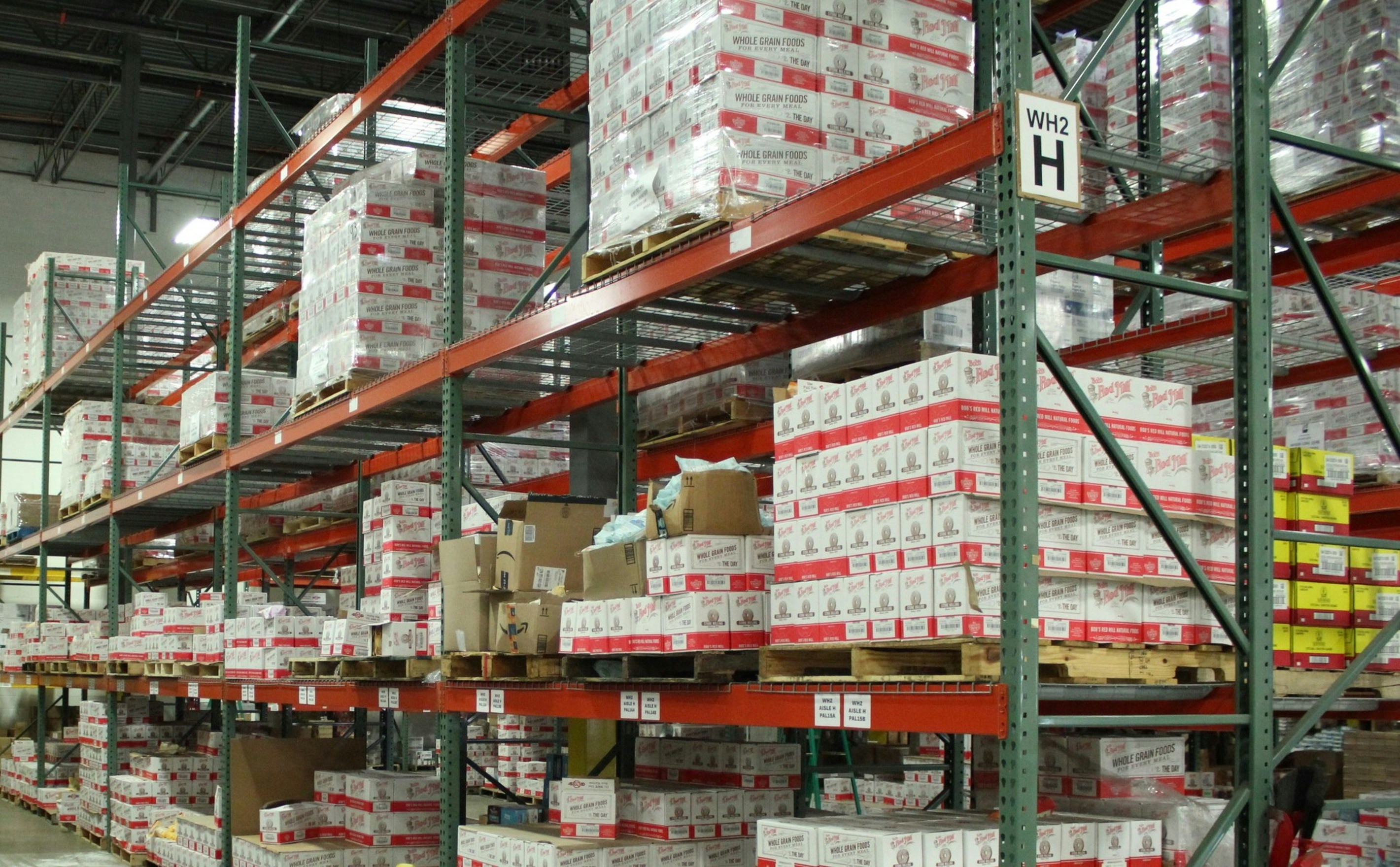
The geographic structure of a supply chain also has significant implications for operational flexibility and working capital. Distant offshoring often depends on extended sea-freight transit times, commonly exceeding 40 to 60 days from Europe or the Americas.These lead times can trap substantial capital in inventory on the water and require firms to maintain larger safety stocks. By contrast, near shoring toSoutheast Asia may reduce transit times to approximately 12 to 25 days, while domestic production can compress lead times further [2]. Shorter supply chain scan support more responsive inventory models, improve the cash conversion cycle and reduce warehousing costs by aligning the receipt of goods more closely with production and payment cycles [3].

Customer expectations and regulatory pressures are also changing the economics of supply chain design.Consumers increasingly expect rapid fulfilment, product customisation and greater transparency regarding ethical sourcing and carbon impact. At the same time, governments and regulators are moving toward more demandingEnvironmental, Social and Governance reporting requirements, including possible carbon border adjustment mechanisms. Nearshoring and onshoring may help firms reduce Scope 3 transport emissions, improve supply chain transparency and strengthen labour and intellectual property controls. However, these benefits must be weighed against the practical constraints of Australian manufacturing ,including high labour and energy costs, skills shortages and regulatory complexity.
This article examines the trade-offs involved in nearshoring and onshoring for Australian manufacturers.It considers the cost of inaction, the strategic opportunity created by supply chain restructuring, the practical models available to firms, the conditions required for feasibility and the immediate actions business leaders can take.
The cost of inaction and the strategic opportunity
Australian companies with highly offshored supply chains face financial and operational risks that are no longer theoretical. Recent disruptions have shown how concentrated offshore sourcing can place pressure on production continuity, margins and balance sheets.
The collapse of Brisbane-basedEV charger manufacturer Tritium into administration in early 2024 illustrates the exposure created by reliance on concentrated offshore supply chains for critical electronic components. Despite strong global demand, supply constraints and balance sheet pressure left the company unable to fulfil orders at the required scale. At the time of administration, Tritium owed more than $500million, including $24.6 million to Australian supplier Rectifier Technologies[4].
The construction sector provides another example. The collapse of volume builder Porter Davis in 2023followed severe cost escalation in building materials, including imported engineered timber affected by the Russia-Ukraine war [5, 6]. Retailers operating heavily offshore, just-in-time supply models have also been exposed to shipping disruptions, freight-rate volatility and stock availability issues. KmartGroup, for example, experienced significant earnings pressure during the pandemic-era logistics disruption, with freight and supply chain costs contributing to reported margin erosion and broader costs within Wesfarmers[1].
These risks are compounded by the vulnerability of key maritime chokepoints. The Strait of Hormuz is especially important: roughly 20% of the world's oil and liquefied natural gas flows through this corridor [7]. Disruption there can affect Australian logistics and heavy industry because Australia imports more than 90% of its refined liquid fuel and relies heavily on Asian refineries that process Middle Eastern crude [1]. Related exposures may also arise in petrochemical precursors, fertiliser inputs and other materials that move through or depend on trade routes affected by Middle Eastern instability [8].

Beyond immediate shocks, latent vulnerabilities remain across Australian manufacturing. The construction industry is highly dependent on imported clinker, a key ingredient in cement production [9]. Advanced manufacturers are also exposed to highly concentrated semiconductor supply chains, including single-source or regionally concentrated fabrication capacity in Taiwan and other parts of East Asia [10]. These examples demonstrate a broader structural risk: many Australian firms rely on global networks that are efficient in stable conditions but fragile under disruption.
Restructuring the supply footprint presents a commercial opportunity as well as a defensive risk-management response. The historical cost advantage of offshore manufacturing is narrowing as labour costs rise in traditional manufacturing hubs [11], while firms face greater exposure to tariffs, freight volatility, carbon border adjustments and war-risk insurance premiums during maritime crises [12]. Local and regional supply chains can reduce geopolitical exposure, shorten lead times and improve responsiveness to demand volatility.
There is also a market-facing opportunity. Consumers and business customers increasingly value availability, reliability, shorter lead times and, in some categories, the goodwill associated with "Made in Australia" products [13]. Similarly nearshoring and onshoring can improve ESG performance by reducing transport emissions and increasing visibility over labour practices. Although domestic labour and energy costs remain material constraints, automation, advanced manufacturing technology and government programs aimed at rebuilding sovereign capability may offset these disadvantages in selected sectors.
Pathways for nearshoring and onshoring
A supply chain footprint change should be treated as a strategic redesign rather than a binary decision between offshore and onshore production. For most Australian manufacturers, the appropriate model will depend on product economics, input criticality, supplier concentration, intellectual property risk, customer expectations and the firm's ability to absorb transition costs. Four broad pathways are available.

1. Optimising the existing global model
Some firms may retain offshore production while reducing risk through better visibility, forecasting and control. This includes supplier monitoring, real-time inventory tracking, automated forecasting and digital control towers that identify emerging disruptions before they materially affect production. Companies such as Southtech use these tools to manage global inventory, monitor risks and improve decision-making without necessarily relocating physical production [14].
This approach is most suitable where offshore cost advantages remain substantial, where inputs are not highly critical or supply-constrained, and where the business has sufficient inventory flexibility to absorb delays.
2. Geographically diversifying offshore sourcing
A second option is to reducereliance on a single country or region by developing alternative offshore sources. This approach preserves much of the cost advantage of offshore production while reducing concentration risk. Breville Group provides a strong Australianexample: with approximately 90% of its products manufactured in China, the company announced it was well progressed on a project to diversify its manufacturing base, with initial target locations including Mexico, Indonesiaand Cambodia, noting that regardless of ultimate location the group would benefit from added geographic diversification. CEO Jim Clayton confirmed that manufacturing locations in Mexico and Southeast Asia were emerging to"complement China", with the company actively pursuing a manufacturing diversification program in response to tariff and concentration risk [15].
Diversification is particularly relevant for firms that cannot yet justify nearshoring or onshoring but remain exposed to single-country disruption, tariff risk or political instability.
3. Nearshoring to regional manufacturing hubs
Nearshoring involves moving production from distant offshore hubs to geographically closer countries. ForAustralian firms, this typically means shifting selected manufacturing o rsourcing activities to Southeast Asia. Companies such as Ansell use facilities in Malaysia and Vietnam to balance lower labour costs with shorter transit times and reduced freight complexity [16].
Nearshoring can provide a pragmatic intermediate position. It does not eliminate offshore exposure, but it can reduce lead times, simplify logistics, lower inventory requirements and create more responsive regional supply chains without imposing the full cost burden of Australian manufacturing.
4. Onshoring selected activities to Australia
Full or partial onshoring provides the highest degree of supply chain control. It can strengthen quality assurance, protect intellectual property, reduce transport exposure and supportaccess to government programs in priority sectors such as defence, energy ,medical technology, critical minerals and advanced manufacturing.
Beyond commercial considerations, onshoring to Australia provides political and sovereign stability that offshore alternatives often cannot match. Australia's stable institutions, rule of law and low sovereign risk reduce exposure to regulatory unpredictability and geopolitical disruption - a point reinforced by Namdaretal., who found that reshoring decisions are contingent on the relatie stability of the domestic environment [17]. These factors are increasingly material as supply chain resilience moves up the board agenda.
However, onshoring iscommercially viable only in specific circumstances. Domestic labour, energy and regulatory costs are high, so firms must either compete in high-margin product categories, use automation to reduce labour intensity, benefit from governmentdemand or subsidies, or command a customer premium for domestic origin. R.M.Williams, for example, sustains domestic production by combining strict quality control with a premium brand position that supports higher pricing [18].
A related but distinct premium arises where customers face severe costs from late or missed supply - in such cases, delivery certainty itself becomes a product attribute worth paying for.Construction and infrastructure contractors, for instance, often prefer domestically sourced structural components or engineered systems where a delayed shipment would idle an entire site crew - supply chain delays are now one of the primary drivers of project delays and budget overruns in Australia's construction sector [19], and where fixed-schedule contracts are in place, those delays can directly trigger liquidated damages provisions, increasing costs and reducing project margins [20].
The hybrid model
For many Australian manufacturers, the most viable approach is a hybrid footprint. Under this model, firms retain global sourcing for commoditised or scale-dependent inputs while moving critical, high-value, IP-sensitive, freight-intensive or time-sensitive activities closer to home.
REDARC Electronics illustrates this approach. Because there are limited domestic options for raw microchip fabrication, the company sources base components globally. However, it performsadvanced surface-mount technology assembly, engineering and quality testing inAustralia, allowing it to protect intellectual property, maintain quality control and preserve production capability [21].
A hybrid model requires disciplined triage. Firms should distinguish between inputs that should bemoved, inputs that may benefit from relocation and inputs that should remain offshore. The Kraljic matrix offers a useful framework for this triage: by mapping inputs across two axes (supply risk and profit impact), firms can identify which items warrant strategic sourcing decisions (high risk, high impact)versus which can safely remain on standard offshore procurement (low risk, low impact), providing a structured basis for prioritising what to move, what to onshore and what to leave unchanged.

Inputs most suited to onshoring include those that are single-source, complex, geopolitically sensitive,IP-intensive or critical to operational continuity. Boeing Australia's MQ-28Ghost Bat program provides an example: localising development and component capability supported rapid iteration, protected defence-related intellectual property and helped navigate international trade restrictions [22]. Similarly,Incitec Pivot's domestic urea production capability became strategically important when Chinese export restrictions threatened supply to sectors dependent on AdBlue and diesel logistics [23].
Inputs suited to nearshoring or onshoring may also include products where freight costs are disproportionately high. Packaging manufacturer Signet, for example, invested in advanced extrusion machinery to produce plastic films in Brisbane, reducing exposure to the cost and complexity of shipping bulky materials from Asia [24].
By contrast, some inputs should remain globally sourced. Low-margin, labour-intensive products and highly commoditised materials often depend on scale economies that cannot bereplicated domestically. This reality explains why Australia's automotive manufacturing sector struggled to remain viable at scale [25]. Foundational inputs such as base chemicals, standard-grade metals and raw microchips may also remain bettersuited to global sourcing unless a compelling strategic, security or commercial case exists for domestic capability.
Feasibility: what must be true for change to work?
The case for reassessing Australia's manufacturing footprint is increasingly clear. The harder question is whether change is commercially feasible. The answer is necessarily case-specific and depends on a firm's business model, cost structure, product category, input mix, customer base and ability to execute operational change.However, successful nearshoring and onshoring strategies tend to share four conditions.
1. Automation must narrow the labour-cost gap
Australia has a structural labour-cost disadvantage relative to Southeast Asia. For many firms, the only viable way to offset this gap is through automation, advanced manufacturing and higher labour productivity.
REDARC Electronics provides a strong domestic example. The company has sustained an onshore manufacturing model through continuous reinvestment in research and development, automationand workforce capability. In 2019, REDARC committed $22 million to expand itsLonsdale facility, increasing manufacturing capacity by 250% through new surface-mount technology lines and collaborative robotics [26]. This model iscommercially viable because automation reduces the labour-cost disadvantage and because REDARC operates in high-complexity, high-IP product categories where margins can be defended.
The same economics do not applyto low-margin, labour-intensive products competing in crowded global markets.In those categories, nearshoring or diversified offshore sourcing may remain more realistic than onshoring.
2. Freight and inventory economics must materially affect total landed cost

Onshoring becomes more competitive when the cost and risk of importing are large enough to offset higher domestic production costs. Products that are bulky, heavy, time-sensitive or difficult to forecast are most likely to meet this threshold.
Signet's decision to bring plastic film production back to Brisbane reflects this logic. Labour represented only one part of the cost equation. Logistics complexity, lead-time variability, quality control, unhedged currency exposure and scheduling risk also heavily affected total landed cost. Producing domestically improved cost certainty, reduced freight exposure and increased operational flexibility [24].
This highlights the need to assess production economics using total landed cost rather than unit price alone. Freight, insurance, inventory carrying costs, safety stock, obsolescence risk, tariffs, currency movements and disruption exposure can materially alter the apparent economics of offshore production.
3. Workforce capability must be available or developed
Even where the commercial case for onshoring is sound, implementation can fail if the domestic workforce cannot support the required capability. Skills availability is therefore a structural constraint.
A 2018 industry survey found that 21% of Australian manufacturing CEOs identified skills shortages as their primary concern [27]. That concern preceded the more recent acceleration of reshoring and sovereign capability discussions. Firms that seek to localise production must therefore treat workforce development as a core part of strategy, not a secondary implementation issue.
REDARC addressed this challenge by investing in leadership development, apprenticeship pathways and industry partnerships [26]. Such initiatives can be effective, but they require time.Firms that commit capital to new domestic production without also building the necessary technical workforce are likely to face bottlenecks, quality issues and under utilised capacity.
4. Government support should accelerate, not replace, commercial logic
Government subsidies, grants and procurement programs can materially improve the feasibility of onshoring, particularly in defence, critical minerals, energy, medical technology and advanced manufacturing. However, public support should not be the primary rationale for an otherwise uneconomic project.
Western Australia, the NorthernTerritory and South Australia are among the jurisdictions where reshoring and domestic capability development are most visible, particularly in lithium batteries, defence and space-related manufacturing [28]. These sectors benefit from government expenditure, procurement policy and strategic industrial priorities that create demand pull.
REDARC's contract to produce electronics for the Redback Infantry Fighting Vehicle illustrates the role of government demand. Defence procurement created an onshoring opportunity that private market demand alone may not have generated [29]. The broader lesson is that public support can shift the feasibility threshold, but sustainable onshoring still requires competitive products, reliable execution and a clear commercial rationale.
INSUMMARY
In summary, a hybridon shoring strategy is most feasible where geopolitical exposure, freight intensity, IP sensitivity, or continuity risk justify the cost. Provided automation can close the labour gap, the workforce is there or buildable, and the demand or procurement environment supports the economics. Where it cannot, nearshoring into Southeast Asia is the more pragmatic intermediate move.
Actions business leaders can take now
For most Australian manufacturers, the relevant question is no longer whether supply chain risk exists. It is whether management is addressing that risk before disruption forces a reactive and more expensive response. Business leaders can take five practical steps.
1. Map critical inputs and supply chain exposure
Executives should begin with a structured review of every critical input in the business. This assessment should consider supplier concentration, country and regional exposure, geopolitical and tariff risk, freight mode and route dependency, lead-time variability, inventory carrying costs, substitution options, intellectual property sensitivity and the financial impact of disruption. The purpose is to distinguish between inputs that are merely sourced offshore and those that create genuine operational, financial or strategic vulnerability.
2. Invest in supply chain visibility
Many firms can reduce risk before changing their physical manufacturing footprint. Supplier monitoring tools, real-time inventory tracking, demand forecasting systems and digital control towers can provide earlier warning of disruption and improve management's ability to respond before problems become material. These tools also generate the data needed to support larger strategic decisions about diversification, nearshoring or onshoring, making visibility both an operational safeguard and a foundation for long-term supply chain redesign.
3. Reassess offshore economics using total landed cost
Offshore production should be assessed on a total landed cost basis rather than through simple unit-price comparisons. Freight volatility, war-risk insurance, tariffs, carbon-related costs, currency exposure, inventory carrying costs, safety stock requirements, quality control, obsolescence risk and the cost of stockouts can all materially change the economics of overseas production. For some products, offshore sourcing will remain the most efficient option; for others, particularly bulky, heavy, time-sensitive, IP-sensitive or high-value goods, the full cost and risk profile may support a shift to nearshoring or selective onshoring.
4. Identify targeted pilot opportunities
Companies do not need to restructure their entire supply chain at once. A more practical approach is to begin with a targeted pilot involving one high-risk, high-value or freight-intensive input, then measure the operational and financial outcomes before scaling further. The pilot should test assumptions about total landed cost, lead-time reduction, inventory requirements, quality performance, customer responsiveness, working-capital impact and scalability. This allows management to build evidence, reduce implementation risk and refine the operating model before committing to broader transformation.
5. Use formal stress testing and risk frameworks
Supply chain redesign should be supported by formal risk assessment tools such as Failure Mode and EffectsAnalysis, scenario planning and supply chain stress testing. These methods help executives assess how the business would respond to supplier failure, maritime disruption, tariff escalation, currency shocks, cyber disruption or geopolitical conflict. Firms that undertake this work early will have greaterstrategic flexibility and more time to develop alternative sourcing, production partnerships and workforce capability. Those that delay may be forced in to rushed and costly decisions during the next major disruption, when options are fewer and bargaining power is weaker.
Conclusion
Australian manufacturers do not need to abandon global supply chains, nor should they assume that domestic production is automatically superior. The more useful question is where each activity should sit within a risk-adjusted, commercially viable supply chain footprint.
For many firms, the answer will be a hybrid model: global sourcing for commoditised and scale-dependent inputs; diversified offshore or nearshore sourcing for moderately exposed products; and selective onshoring for critical, IP-sensitive, freight-intensive or strategically important activities. This approach recognises that resilience and efficiency are not mutually exclusive. The objective is not to recreate every part of the supply chain domestically, but to build a footprint that can withstand disruption while supporting competitiveness, customer expectations and long-term strategic control.
The companies that act early will be best positioned to capture the benefits of this transition. Those that wait may find themselves forced into costly decisions when the next geopolitical, maritime or trade shock exposes vulnerabilities that could have been addressed in advance.
References
Sources are numbered in order of first appearance in the text.
1 itf-oecd.org
https://www.itf-oecd.org/sites/default/files/repositories/red-sea-crisis-impacts-global-shipping.pdf
2 controlgl.com
https://controlgl.com/blog/how-it-works-sea-freight-process-an-importers-perspective-in-australia/
3 eurysticsolutions.com
http://eurysticsolutions.com/2025/06/09/nearshoring-how-it-affects-the-supply-chain-and-how-to-anticipate-it-with-predictive-models/
4 businessnewsaustralia.com
https://www.businessnewsaustralia.com/articles/asx-listed-rectifier-technologies-claims--25m-debt-from-collapsed-tritium.html
5 apimagazine.com.au
https://www.apimagazine.com.au/news/article/two-major-building-companies-collapse-just-hours-apart
6 thenewdaily.com.au
https://www.thenewdaily.com.au/finance/finance-news/2023/04/12/porter-davis-australian-construction-industry
7 visualcapitalist.com
https://www.visualcapitalist.com/chart-energy-flows-at-risk-strait-of-hormuz/
8 episode3.net
https://episode3.net/inputs/middle-east-war-threatens-australias-fertiliser-supply/
9 cemnet.com
https://www.cemnet.com/News/story/178866/cif-calls-on-australian-government-to-impose-cement-product-carbon-border-tax.html
10 aspi.org.au
https://www.aspi.org.au/report/australias-semiconductor-national-moonshot/
11 hrone.com
https://hrone.com/blog/is-labour-cost-in-china-rising-unveiling-the-surprising-reality/
12 gembah.com
https://gembah.com/news/chinas-manufacturing-challenges/
13 marketingcharts.com
https://www.marketingcharts.com/brand-related/brand-loyalty-231457
14 industrypartners.com.au
https://www.industrypartners.com.au/blog/building-supply-chain-resilience-in-australia-a-strategic-imperative-for-industry-partners
15 announcements.asx.com.au
https://announcements.asx.com.au/asxpdf/20250403/pdf/06hbjmmrnfp5zf.pdf
16 ansell.com
https://www.ansell.com/us/en/about-us/investor-center/asx-announcements/ansell-limited-advances-transformation-program
17 onlinelibrary.wiley.com
https://onlinelibrary.wiley.com/doi/10.1111/jscm.12336
18 tattarang.com
https://www.tattarang.com/news/2024/r-m-williams-steps-up-australian-manufacturing/
19 pistis.au
https://pistis.au/australia-construction-supply-chain-crisis-2026/
20 nasbp.org
https://www.nasbp.org/post/liquidated-damages-protecting-contractors-when-global-supply-chains-break/
21 australiandesigncouncil.org
https://australiandesigncouncil.org/showcases/redarc/
22 australiandefence.com.au
https://www.australiandefence.com.au/news/news/further-400-million-invested-in-ghost-bat-development
23 icis.com
https://www.icis.com/explore/resources/news/2021/12/20/10717798/australia-s-incitec-explores-options-to-boost-technical-grade-urea-output/
24 packagingnews.com.au
https://www.packagingnews.com.au/news/brisbane-s-signet-to-invest-millions-in-plastics-manufacturing
25 swinburne.edu.au
https://www.swinburne.edu.au/news/2016/10/collapse-of-australian-car-manufacturing-industry/
26 zoominfo.com
https://www.zoominfo.com/c/redarc-electronics-pty-ltd/346024597
27 cdn.aigroup.com.au
https://cdn.aigroup.com.au/Economic_Indicators/Economic_Outlook/Australian_Manufacturing_in_2019.pdf
28 mining-technology.com
https://www.mining-technology.com/news/western-australia-updates-critical-minerals/
29 defence-industry.eu
https://defence-industry.eu/redarc-and-hanwha-partner-to-supply-critical-electronics-for-australian-armys-redback-ifv-under-land-400-phase-3/
Prepared by Visagio Australia for internal and external distribution. Figures and examples are drawn from the cited public sources; data visualisations are indicative and intended to support the narrative.